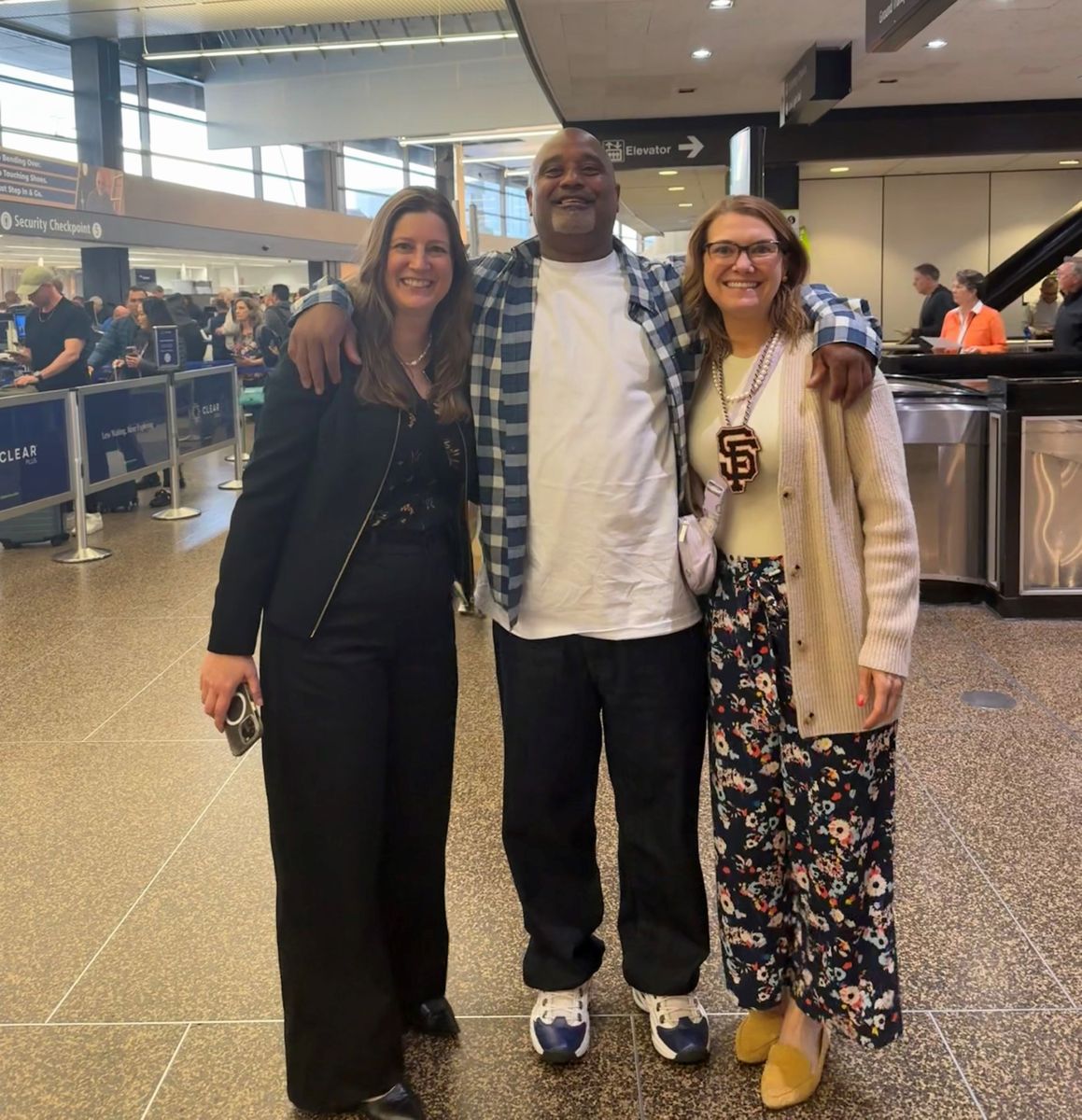
As a medical malpractice defense attorney, I have dedicated my career to representing healthcare providers in high-stakes litigation. My daily work involves navigating complex medical evidence, attending depositions, and developing trial strategies. However, the murder of George Floyd in 2020 influenced my perspective of our justice system in profound ways. It sparked a national dialogue on inequities in the criminal justice system and motivated my colleague, Rhianna Fronapfel, and me to seek pro bono opportunities where we could contribute meaningfully. We connected with The Seattle Clemency Project, which focuses on assisting incarcerated individuals in pursuing clemency. Through SCP, we began representing Floyd Barrow, who had been in prison for more than 20 years. Floyd’s case has been transformative for me, reinforcing the broader role lawyers can play in advocating for justice and second chances.
Floyd's story is one of remarkable personal growth. Now 60 years old, he grew up in Seattle with his parents. Academic struggles in middle school led to family conflicts, prompting him to run away at age 14. That choice steered him toward substance abuse and a series of poor decisions. By the time of his incarceration in 2004, Floyd's life had been marked by addiction-related convictions. Today, he accepts full responsibility for his past, while acknowledging the significant role his untreated substance use disorder played in his early life.
What inspired Rhianna and me most was Floyd's dedication to change during his time in prison. He achieved and maintained sobriety throughout his sentence, participating in recovery groups and rehabilitative programs that encouraged self-reflection, helping him understand the impact of his actions on his family and community. These efforts built his self-esteem, turning him from a man who once felt directionless into someone confident, honest, and deeply committed to others.
Family has also been central to Floyd's transformation. His brother Louie, who received clemency in 2020 and was released in 2021, shared a cell with him for several years. They bonded over shared regrets and aspirations. When I spoke with Louie, he praised Floyd's newly developed emotional intelligence and shift toward living for his loved ones. Their mother, Elizabeth, shared how Floyd called during family gatherings, staying connected despite the distance. Floyd's son, Floyd Jr., relied on him for guidance during challenging times, and Floyd maintained weekly contact with his grandchildren, helping with homework over the phone and stressing the value of education. This close-knit support system has helped Floyd grasp the importance of relationships, extending his remorse to the harm his earlier choices caused his family. In prison, he invested in these bonds daily, emerging as a devoted son, brother, father, and grandfather.
Education further fueled Floyd's progress. Overcoming his youthful aversion to school, he earned his GED in 2014. He then obtained a Pell Grant to take community college courses while incarcerated, even teaching himself computer basics to complete assignments. Floyd's curiosity extends beyond formal education; he follows NPR and the news, and he devours books on American history. I introduced him to my mother-in-law, Sally, who shares his passion for reading. They have formed a unique friendship, swapping book recommendations and stories about their grandchildren like members of a two-person book club. This demonstrated his ability to connect with and make an impact on individuals with highly different backgrounds from his own, further impressing Rhianna and me in our work with him.
Floyd's work ethic stands out as well. He held consistent employment for almost his entire incarceration, working 50 to 55 hours weekly, including through the COVID-19 pandemic. In the kitchen, he advanced from basic roles to managing menus and inventory, earning praise from supervisors. Floyd takes pride in his contributions, sending earnings home to buy gifts for his family, ensuring he never misses a birthday or holiday.
His prison record reflects his transformative path. Floyd had minimal infractions, none serious or violent, and none at all in the decade prior to our work with him. Corrections staff respect him, often telling his family he was a model inmate. He also became a mentor to fellow inmates. He openly discussed his past to guide others, emphasizing that change, though difficult, is worthwhile. Peers described him as respected and compassionate, someone who listens and encourages. He draws on his faith to instill hope, helping others repair family ties and navigate loss. One friend credited Floyd with teaching him that incarceration does not preclude being a good parent. Through these roles, Floyd channels his regrets into positive influence.
In preparing Floyd's clemency petition, we highlighted his extraordinary evolution. The King County Prosecutor's Office, after reviewing his case, in an unprecedented move, joined our request for commutation. The King County Prosecutor’s Office, in joining the petition noted that under current charging standards, several of Floyd’s prior drug related offenses would not be charged today. Thus, his offender score, used for sentencing purposes, would have been lower resulting in a shorter sentencing range.
In September 2024, Rhianna and I, along with the King County Prosecutor’s Office, presented Floyd’s clemency petition to the Washington State Clemency and Pardons Board, who unanimously voted in favor of clemency. Governor Inslee signed Floyd’s commutation on his final day in office.
Floyd has been free for more than six months now and is thriving. He lives in Federal Way with his son, surrounded by family in a supportive, sober environment. He works for a contractor preparing meals for airlines, applying the food service skills he honed in prison. He continues to prioritize his sobriety, and spends time enjoying moments with his family, making up for lost time. Floyd's successful re-entry demonstrates his readiness to contribute as a productive community member and the value of second chances.
Our work with Floyd has been profoundly rewarding. It bridged my defense practice with broader justice issues, showing how pro bono efforts can foster real change. To my WDTL colleagues, I recommend exploring similar opportunities. Floyd's journey illustrates the potential for redemption when individuals commit to growth and receive support. I am grateful to The Seattle Clemency Project, Rhianna, and especially Floyd for this inspiring chapter in my career.
Erin Seeberger brings nearly two decades of insight and experience to serve her clients’ legal needs. Her practice involves the defense of physicians and healthcare institutions against claims of medical malpractice. She also represents healthcare providers in licensing and disciplinary actions, and consults with healthcare institutions regarding privileging and credentialing matters. Additionally, Erin counsels professional services clients on matters related to disciplinary issues, accommodations, and other challenges that arise in the employer-employee relationship. Throughout her career, Erin has tried multiple cases in federal and state courts, including claims for employment discrimination, medical and dental malpractice, contractual indemnity, and wrongful death. Erin is licensed to practice in California and Washington.


